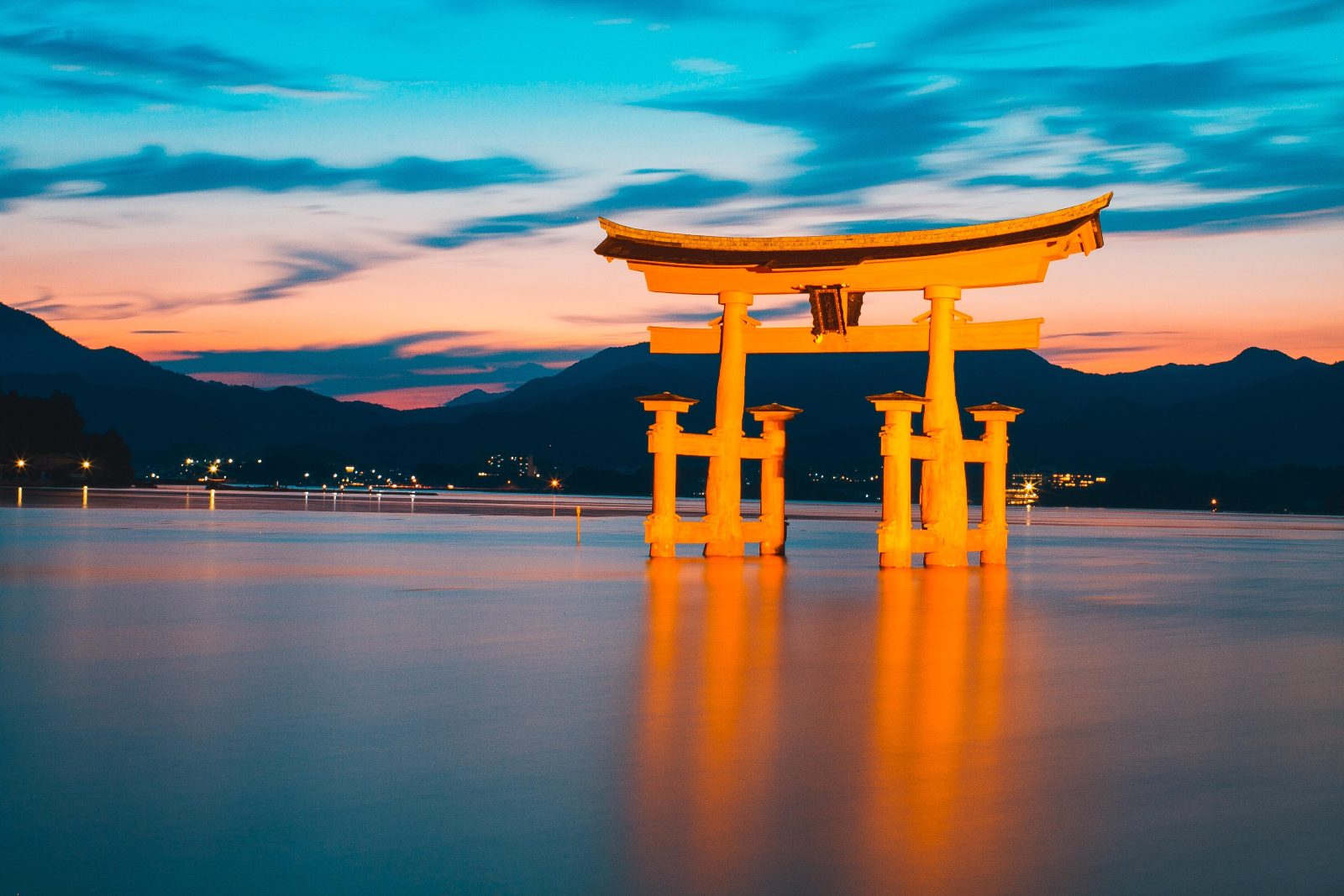
Great Torii Gate
This large vermilion gate stands in the tidal flats, appearing to float during high tide and accessible by foot at low tide.
View from the western shoreline for clear photos.
Hiroshima sits close enough to Osaka that the return journey rarely dictates the day — the tide and the ferry queues do. This osaka to hiroshima day trip itinerary guide sets out what a single day realistically holds across two very different places: a city rebuilt around memory, and an island shrine built out over the water. Read on for the concrete arrival window, the shrine's daily pattern, and the one figure that decides your budget.
Quick answer
A one-day plan works, and the anchor figure is the 06:30–10:00 arrival window at Itsukushima Shrine on Miyajima, which avoids mid-day crowds and ferry wait times. The shrine opens at 06:30 daily and admission is 300 JPY per person. Tides, not hours, decide whether the torii stands in water or on sand, so check the tide chart before fixing your day.
Itsukushima Shrine is built on stilts because the island itself was long held too sacred to be trodden by ordinary feet — the corridors hover above the seabed rather than resting on it. That single design decision explains almost everything about how a day here behaves. The water rises and falls beneath the floorboards twice a day, and the shrine looks like two different buildings depending on when you stand in front of it. Any osaka to hiroshima day trip itinerary that ignores the tide table is really only planning half a visit. What most readers are dealing with is a compression problem. Two subjects sit at either end of the day: Hiroshima's Peace Memorial Park with the Atomic Bomb Dome and the Children's Peace Monument, and Miyajima's vermilion torii, Senjokaku hall and the five-storey pagoda above Omotesando. Both reward slow attention. Neither is well served by a checklist. The practical resolution is not to move faster but to front-load — the recommended arrival window of 06:30–10:00 exists precisely because the ferry crossing and the shrine approach behave very differently before and after the coach groups land. Deer wander the foreshore either way; the difference is whether you share the boardwalk with fifty people or five hundred. Context also helps the numbers make sense. Itsukushima is a UNESCO World Heritage property and the shrine remains an active place of worship, which is why the admission figure is modest and the operating pattern is uniform rather than seasonal. The address — 1-1 Miyajimacho, Hatsukaichi City — puts it in Hiroshima Prefecture but a world away from the city centre in feel. In August the island is humid and bright by late morning, another argument for an early start, and Momijidani Park behind the shrine offers shade the seafront does not. So what to do with the answer. Treat the early window as fixed and build the rest around it, leaving the memorial park for the afternoon when indoor exhibits are a relief rather than a detour. Confirm the tide, confirm the ferry timetable, and check the shrine's own site for ceremonial closures before committing. Handled that way, a Hiroshima and Miyajima day plan stops feeling like a sprint. The dedicated sections below carry the full schedule, fares and route detail this osaka to hiroshima day trip itinerary depends on.
“The shrine looks like two different buildings depending on when you stand in front of it.”
This plan suits first-time visitors travelling from Osaka who want both Miyajima and central Hiroshima in one day, without rushing either. Allow roughly 14 hours door to door, returning to Osaka in the evening.
Board an early westbound Shinkansen at Shin-Osaka; the ride to Hiroshima takes 90 minutes to two hours depending on service. Buy an ekiben at the station rather than relying on finding breakfast on Miyajima.
Continue from Hiroshima to the ferry terminal and cross to the island, budgeting extra minutes for the ferry queue at peak season. Aim to be walking off the pier within the 06:30–10:00 arrival window.
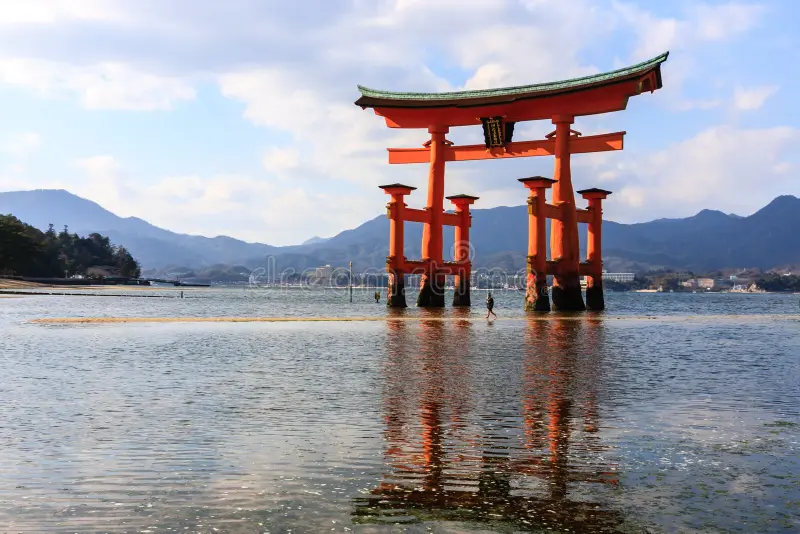
Walk the shoreline path to the shrine at 1-1 Miyajimacho and follow the corridor circuit while numbers are still low, about 45 minutes. Check the tide table beforehand, as the great torii sits on sand at low water and in the sea at high.
Browse the covered Omotesando shopping street for momiji manju, then climb ten minutes to Daisho-in temple and its spinning sutra wheels. Two hours covers both at an unhurried pace.
Take the ferry back and eat okonomiyaki near Hiroshima Station or in Hondori. Trams run frequently, so no advance planning is needed.
Walk the park from the A-Bomb Dome to the Cenotaph and Peace Memorial Museum, allowing two to three hours. The museum is the slowest part of the day; enter by 15:00 to see it properly.
Use spare time for the Hondori arcade or Shukkeien garden before heading back to Hiroshima Station. Keep 30 minutes spare for platform transfers.
Board an evening service for the return leg, arriving in Osaka around 20:00. Reserved seats fill quickly on Sunday evenings, so book earlier in the day.
The journey from Osaka to Miyajima requires a combination of high-speed rail and local transit. The most efficient approach involves taking the Shinkansen to Hiroshima Station before transferring to the regional train and ferry network.
Tokaido-Sanyo Shinkansen from Shin-Osaka Station to Hiroshima Station
JR Sanyo Main Line from Hiroshima Station to Miyajimaguchi Station
JR or Matsudai Ferry from Miyajimaguchi Pier to Miyajima Ferry Terminal
Follow the JR Sanyo Main Line signs immediately upon exiting the Shinkansen gates at Hiroshima Station to minimize transfer time. Utilize the ferry terminals adjacent to Miyajimaguchi Station for the final leg to the island.
The best arrival window is 06:30–10:00 to avoid mid-day crowds and ferry wait times. Planning your visit for early morning allows for a more focused experience at Itsukushima Shrine before peak tourist volume arrives.
Mild, 12°C–22°C
Cherry blossoms bring high visitor numbers throughout the region.
Cool, 10°C–19°C
Clear skies and foliage make this a popular time for travel.
Hot and humid, 24°C–32°C
High humidity and occasional rain, though ferries remain consistent.
Cold, 3°C–10°C
The quietest period for a more relaxed pace at the shrine.
Verdict: The best time for an Osaka to Hiroshima day trip is Tuesday to Thursday during October or April, ensuring you arrive within the 06:30–10:00 window.
Itsukushima Shrine operates on a consistent daily schedule throughout the year, welcoming visitors from early morning until early evening.
Admission to Itsukushima Shrine is based on a standard per-person entry fee. This fee grants access to the shrine complex during operational hours.
Verdict: A typical adult pays 300 JPY, with total costs depending only on the visitor's student status.
Miyajima island is home to several significant landmarks that define the character of this historic destination. Focus your visit on these key areas to observe the architectural and natural features of the site.
This large vermilion gate stands in the tidal flats, appearing to float during high tide and accessible by foot at low tide.
View from the western shoreline for clear photos.
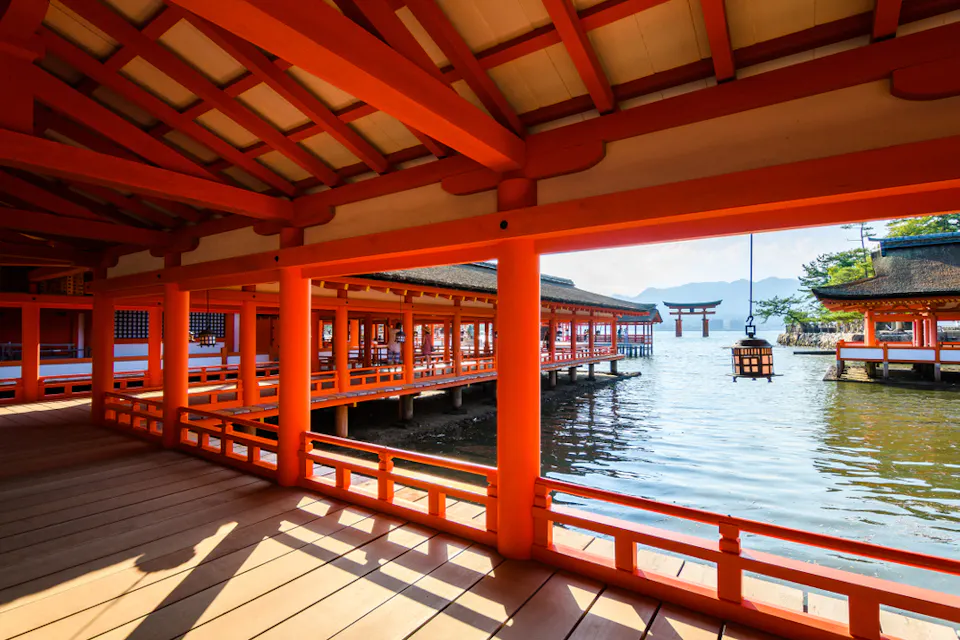
The main sanctuary consists of several interconnected buildings built over the water, connected by elevated wooden boardwalks.
Walk the corridors slowly to see the woodwork.
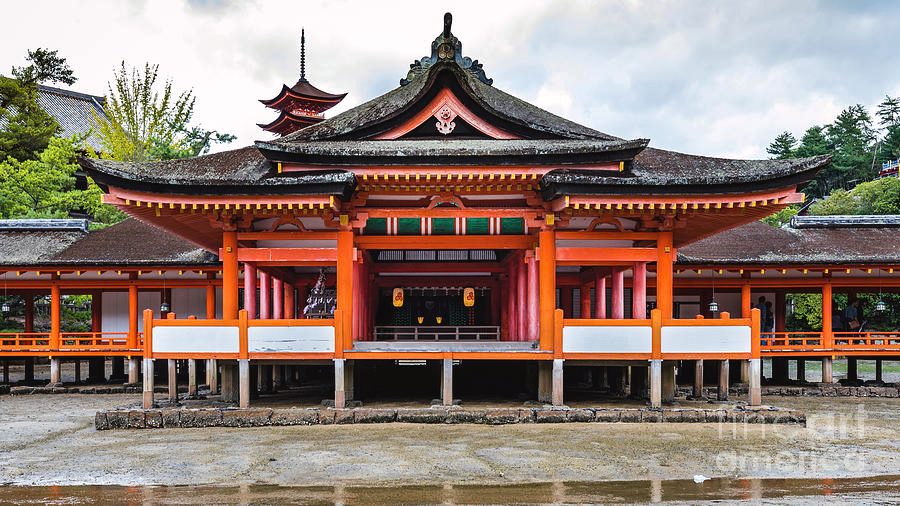
Located near the entrance of the main shrine, this auxiliary building is recognized for its traditional architectural style and historical significance.
Observe the structure from the connecting walkway.
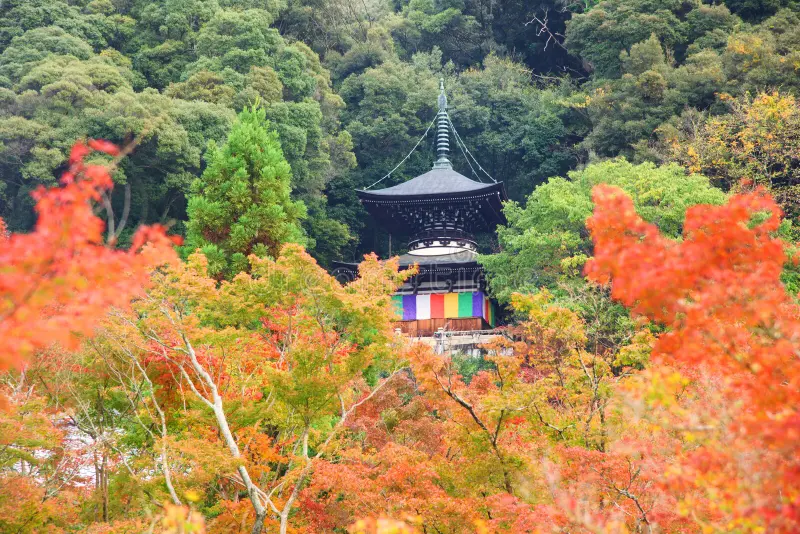
This two-story pagoda sits on a hillside overlooking the shrine complex, offering a vantage point of the water and island landscape.
Climb the path behind the shrine for this view.
A few preparations made in advance keep the Hiroshima and Miyajima legs of the day running without avoidable friction.
Everything you need to know about osaka to hiroshima day trip itinerary
An efficient osaka to hiroshima day trip itinerary typically requires a full day, starting early in the morning to maximize your time in both cities. Most travelers spend several hours exploring the Peace Memorial Park and the island of Miyajima before heading back to Osaka.
Yes, adding the island of Miyajima to your travel plans is common and highly recommended when exploring Hiroshima landmarks. You can take a short ferry ride from the mainland to reach the iconic floating torii gate.
Itsukushima Shrine is open daily from 06:30–18:00. This schedule applies throughout the week, including weekends and holidays.
The entrance fee for Itsukushima Shrine is 300 JPY per person. Please ensure you have local currency available for payment at the entrance.
The best arrival window for your trip is 06:30–10:00 to avoid mid-day crowds and long ferry wait times. Arriving early provides a more tranquil experience at the historic site.
The shrine is located at 1-1 Miyajimacho, Hatsukaichi City, Hiroshima 739-0588, Japan. From the ferry terminal, it is a pleasant walk through the local town to reach the entrance.
The Shinkansen is the fastest way to execute your osaka to hiroshima day trip itinerary, with travel times between the cities usually under two hours. Using the rail network makes a round trip feasible in a single day.
When planning your osaka to hiroshima day trip itinerary, remember to wear comfortable walking shoes and bring water. Sun protection is particularly important if you are visiting during the summer months.
Osaka to Hiroshima and Miyajima Day Trip
Read more GuideTravel Time and Distance: Osaka to Hiroshima
Read more GuideOsaka to Hiroshima by Bullet Train
Read more GuideHiroshima Day Trip: Osaka or Kyoto?
Read more Tickets & toursOsaka to Hiroshima Day Trip by Train
Read more GuideOsaka to Hiroshima Day Trip Cost
Read more