
8 hr
Hiroshima & Miyajima UNESCO Sites Full-Day Tour
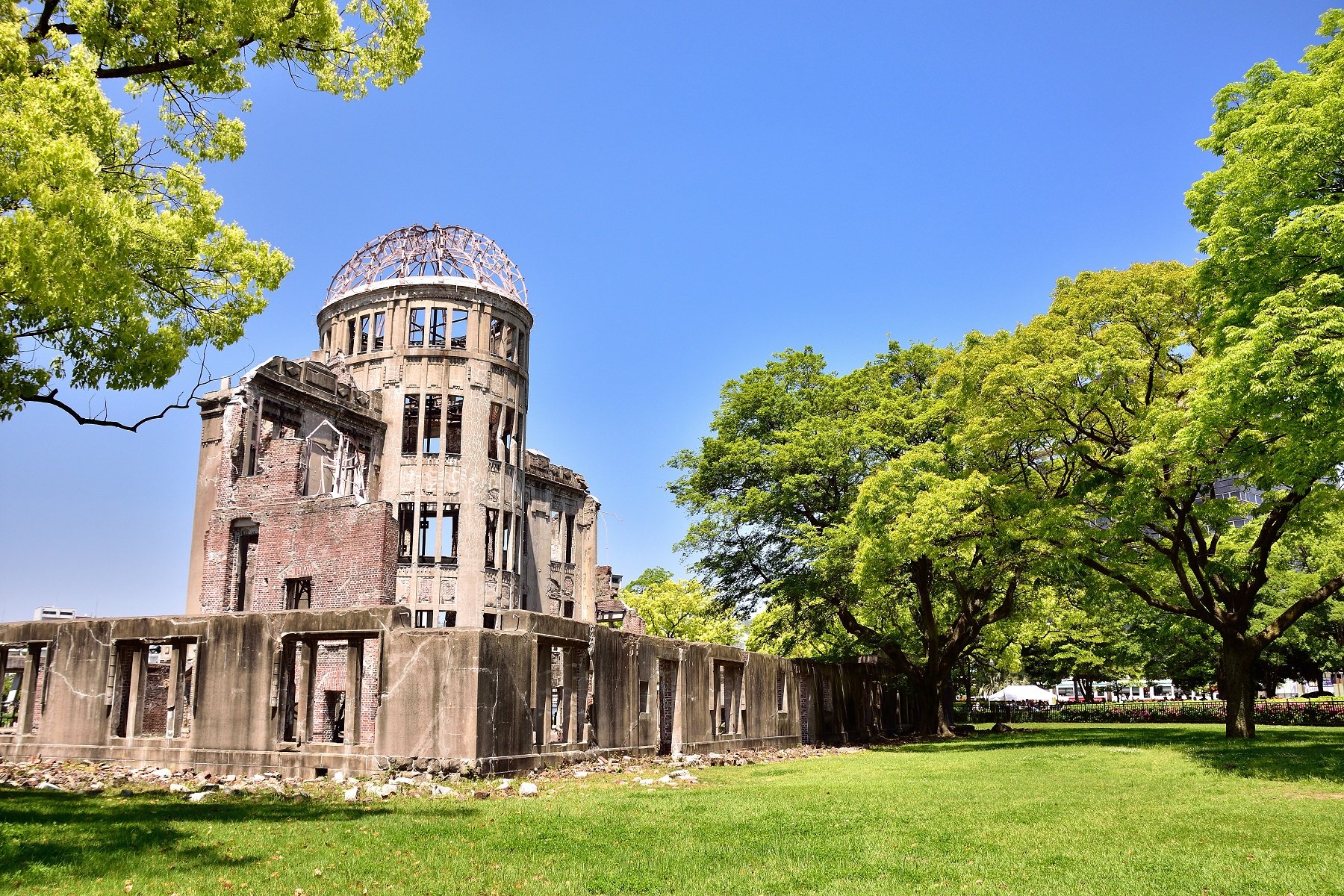
One day, two UNESCO icons: the Atomic Bomb Dome and Itsukushima Shrine's floating torii.
Reserve
Hand-picked by our editors — only the best 5 experiences from 128 reviewed.
Verified partners for every tour, free cancellation where available, and instant confirmation on every booking.
8 hr
One day, two UNESCO icons: the Atomic Bomb Dome and Itsukushima Shrine's floating torii.
Reserve
12 hr
Bullet train to Hiroshima's Peace Memorial, then a ferry to Miyajima's iconic shrine, all in one day.
Reserve
11 hr 30 min
Bullet train to Hiroshima, ferry to Miyajima's floating torii, and the Peace Memorial Park.
ReservePrices from verified partners. Availability updates in real time at checkout. Free cancellation policies apply where shown.
The landmarks, rooms, and views travelers on this tour remember — all visible on a single visit.
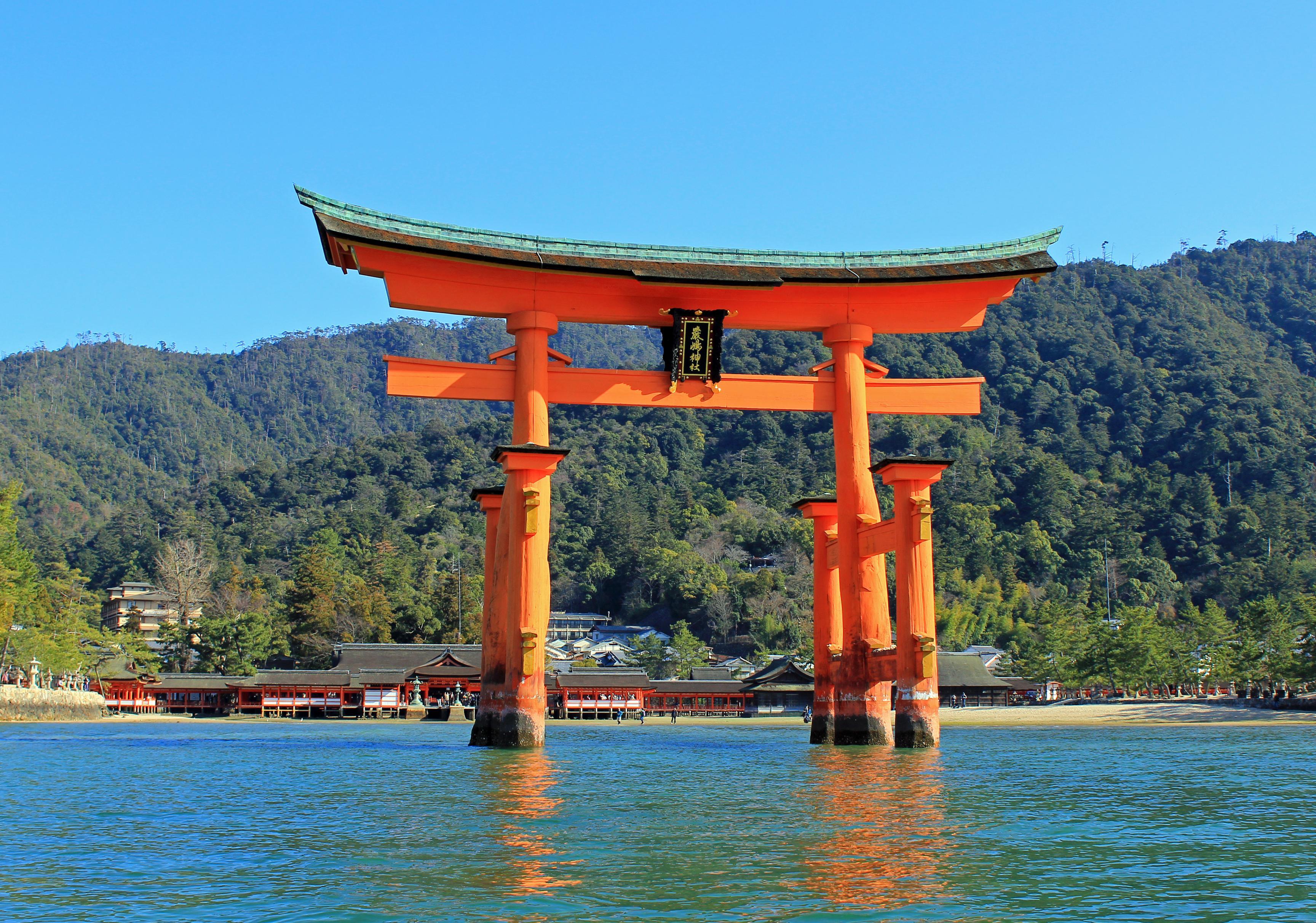
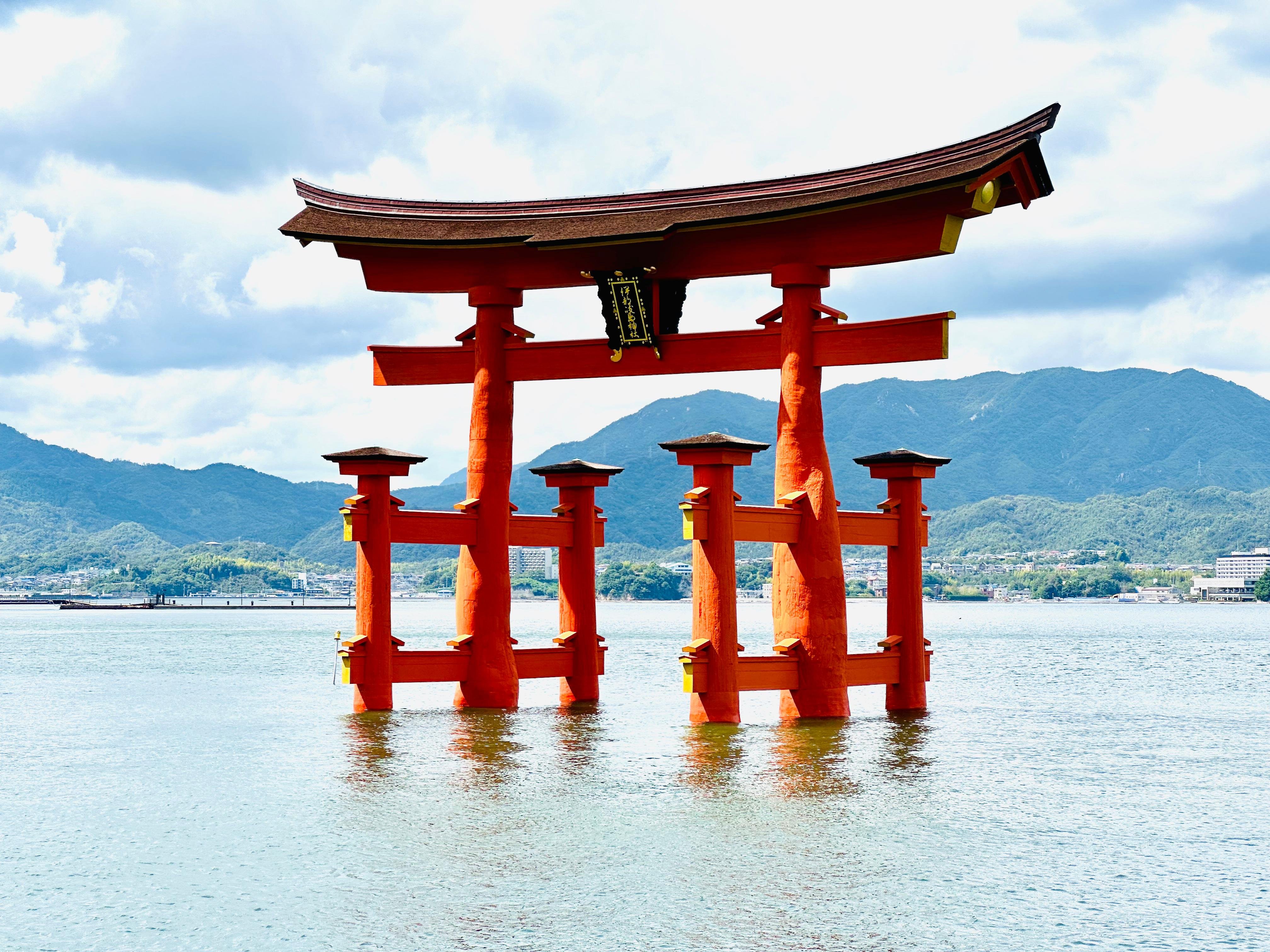
Standing at 16 meters tall, this vermilion gate is the iconic symbol of the island and is designed to withstand the tides. It was restored in the 2022 Reiwa Great Renovation.
Built in the 12th century, this structure showcases the shinden-zukuri architectural style and appears to float at high tide. It has been a UNESCO World Heritage Site since 1996.
Known as Kagami-no-ike, this pond near the Marodo Shrine reflects the sky and is celebrated in traditional Japanese poetry. It is one of the eight noted views of the island.
This elegant pagoda offers a striking silhouette against the island's forested mountainside. It serves as a beautiful example of combined religious architectural influences.
Located at the edge of the Itsukushima Shrine complex, this smaller shrine is known for its traditional design and historical significance to local ceremonies.
These experiences offer distinct encounters; most travelers find the shrine provides a serene coastal atmosphere while the park delivers a necessary educational impact, making them complementary pillars of an osaka to hiroshima miyajima day trip.
| Feature | Top pick Itsukushima Shrine | Peace Memorial Park |
|---|---|---|
Primary Focus |
Spiritual architecture and nature | Historical reflection and peace education |
Time Commitment |
2–3 hours | 2–4 hours |
Required Physical Effort |
Moderate walking and ferry transfer | Low walking on flat paths |
Key Vibe |
Serene and traditional | Solemn and contemplative |
Ideal Visitor Type |
Cultural sightseers and photographers | Students and history enthusiasts |
Inclusion of osaka to hiroshima miyajima day trip tours |
Available for group booking | Available for guided walks |
| See tickets → |
Verdict: Prioritize the shrine for a scenic spiritual excursion and the park for a deeper understanding of the city’s legacy during your osaka to hiroshima miyajima day trip.
Choose your ticket, select your date, and reserve in under two minutes. Secure checkout handled by our verified partner.
Instant confirmation by email, with a mobile voucher you can save offline. No printing, no queuing at a collection desk.
Arrive at the entrance, show your voucher on your phone, and walk in. Most tickets include priority or skip-the-line access.
Practical details for your visit straight from our verified partners — hours, access, rules, and how to get there.
1-11-8 Miyajimaguchi, Hatsukaichi
Main transit hub for ferry departures
Take the JR Sanyō Line to Miyajimaguchi Station followed by a 10-minute ferry ride.
Modest clothing is recommended when entering the Itsukushima Shrine. Please remove hats and sunglasses while inside the main halls.
Large luggage should be stored at the ferry terminal lockers as there is limited space within the shrine corridors. Security personnel may perform visual checks on backpacks.
Photography is permitted within most areas of the Itsukushima Shrine, but please avoid using tripods or selfie sticks in crowded corridors. Respect all signage prohibiting flash photography inside sanctuary buildings.
The Itsukushima Shrine features wooden boardwalks that are generally accessible to wheelchairs, though some areas may have uneven surfaces. Staff are available to assist visitors needing specific guidance through the site.
The shrine is family-friendly, though strollers may be difficult to maneuver on the wooden planks at high tide. Children are welcome to participate in traditional rituals if supervised by an adult.
Eating and drinking are prohibited within the main shrine complex. Please enjoy local delicacies like oysters and momiji manju in the surrounding Miyajima shopping streets.
1-11-8 Miyajimaguchi, Hatsukaichi
Main transit hub for ferry departures
Get directionsBest time to go, insider tips, nearby landmarks, and the cancellation fine print — flip through to skim what matters to you.
How crowds, weather, and events shift across the year.
Cherry blossoms provide a backdrop for the shrine in April. Mild temperatures make island walking comfortable.
August brings high tide views and evening light shows. Be prepared for humidity and sun exposure.
Maples turn deep red in Momijidani Park in November. This is a peak time for island visits.
Cooler, crisp air provides clear views of the inland sea. Fewer crowds on weekdays.
Small details that turn a good visit into a great one.
Check the 100cm and 250cm thresholds to see the Great Torii in both floating and accessible states. This transforms your osaka to hiroshima miyajima day trip experience significantly. Arrive early to experience the Itsukushima Shrine with minimal crowds. Use the 06:30–09:00 arrival window for your osaka to hiroshima miyajima day trip to avoid the largest tour groups. Combine your osaka to hiroshima miyajima day trip with a visit to the nearby Daisho-in Temple for a complete view of local culture. Purchase osaka to hiroshima miyajima day trip tickets in advance if they include museum access. Always check the official site for osaka to hiroshima miyajima day trip updates regarding construction or special ceremonies. Plan your osaka to hiroshima miyajima day trip to include time for the ferry transit. Consider the seasonal weather when booking your osaka to hiroshima miyajima day trip tours. Carry your osaka to hiroshima miyajima day trip tickets securely.
Non-bookable sights within a short walk — free to visit, easy to pair.
A scenic complex featuring hundreds of statues and prayer halls. It offers a peaceful atmosphere away from the coastal crowds.
Famous for its autumn leaves, this park provides a beautiful natural transition toward the mountain trails.
An elegant structure representing the island's historical Buddhist influences. It stands prominently overlooking the harbor.
Offers deep insight into the island's maritime culture and local artifacts.
Flexible, no hidden fees.
Entry tickets for the Itsukushima Shrine are non-refundable and valid for a single entry. The 300 JPY admission fee per adult is collected at the entrance gate.
Hand-picked options within walking distance — pick a district for vibe, or a specific hotel for convenience.
Traditional inns offering authentic Japanese hospitality and ocean views
Central location near shops and dining options
The great vermilion torii standing off Miyajima's shore is not anchored to the seabed. Its six-legged frame holds position by its own weight alone, ballasted with stones packed into the crossbeam. That engineering economy, refined across centuries of typhoons, is one reason the osaka to hiroshima miyajima day trip has become one of Japan's most repeated overland routes. Roughly 340 kilometres of Sanyo Shinkansen track separate the two cities. The corridor ends at a shrine built over tidal water. Itsukushima Shrine stands at 1-1 Miyajimacho, Hatsukaichi, Hiroshima 739-0588, Japan, on an island treated as sacred ground long before the present halls were raised. Its corridors sit on piles so that the tide passes beneath the floorboards twice daily. The complex entered the UNESCO World Heritage list in 1996. Across the bay, the Atomic Bomb Dome carries the same designation, awarded the same year. Japanese travellers call the route simply 広島・宮島日帰り, a Hiroshima and Miyajima day return, and few itineraries in the country hold two World Heritage properties within a single ferry crossing. Architecturally, the shrine belongs to the shinden-zukuri tradition, aristocratic residential planning transposed onto religious use. Cypress bark roofs. Vermilion lacquer laid over structural timber left otherwise plain. The Senjokaku hall on the rise above, unfinished since the sixteenth century, exposes the raw joinery that the lower shrine conceals behind lacquer and shutters. Behind both rises Mount Misen, 535 metres of primary forest laced with cedar, granite outcrops and the Daishoin temple path. The products sold as osaka to hiroshima miyajima day trip tickets converge on this narrow strip between mountain and water. Hiroshima's own ground reads differently. Peace Memorial Park occupies a river delta rebuilt from ash, its central axis aligned deliberately with the ruined dome across the Motoyasu River. Kenzo Tange settled that layout in 1949. The city's streetcars, several of them survivors of 1945, still run the original lines through the centre. Taken together, the industrial river city and the forested island shrine give Hiroshima and Miyajima tours a tonal range unusual among Japanese landmarks, moving from civic memory to Shinto ritual within a single afternoon. Admission to Itsukushima Shrine remains 300 JPY per adult. The shrine opens its gate at 06:30, and osaka to hiroshima miyajima day trip tours are built around that first hour of level light, when the tide is legible and the boardwalk is nearly empty.
"A shrine built over water keeps no fixed shoreline; the tide redraws it twice a day."
A step-by-step walkthrough of the visit — what you'll see, how long each stage takes, and the details that matter.
You board at Shin-Osaka before the platform kiosks have finished stacking their bento boxes, and the Sanyo Shinkansen runs you west past Himeji's white keep with the seat still cold. At Hiroshima you change to a local line, then to the ferry pier at Miyajimaguchi. The crossing takes ten minutes. Stand at the starboard rail: the otorii lifts out of the haze, and the deck goes quiet a beat before anyone raises a phone. You step off into a village of tiled roofs and unbothered sika deer. The shrine gate opens at 06:30, and arriving between 06:30 and 09:00 buys you empty corridors before the coaches reach the pier. You pay 300 JPY, walk the raised boardwalk, and feel the tide moving under the planks. If the water has drawn back, you can cross the ribbed sand to the torii and put a hand on its camphor-wood leg. Later you ride the ferry back and the train into the city. You follow the Peace Memorial Park axis toward the skeletal dome, past the cenotaph, and stop where the arch frames it exactly. An osaka to hiroshima miyajima day trip tour usually ends here, in the long summer light coming off the Motoyasu River, with the streetcars grinding around the corner behind you.
The shrine is open from 06:30–18:00 daily. It is perfect for an early start on your osaka to hiroshima miyajima day trip.
The admission fee for the Itsukushima Shrine is 300 JPY per adult. Ensure you have this ready for your osaka to hiroshima miyajima day trip.
Yes, the Itsukushima Shrine offers barrier-free access in several areas, making it convenient for an osaka to hiroshima miyajima day trip.
Arriving between 06:30–09:00 is recommended for your osaka to hiroshima miyajima day trip to avoid congestion at the Itsukushima Shrine.
Photography is generally allowed at the Itsukushima Shrine during your osaka to hiroshima miyajima day trip, but please avoid tripods inside the buildings.
Bring comfortable shoes, sun protection, and a camera for your osaka to hiroshima miyajima day trip to the Itsukushima Shrine.
Food is not permitted inside the Itsukushima Shrine, so plan your dining for the nearby streets during your osaka to hiroshima miyajima day trip.
Take the JR train to Miyajimaguchi followed by a ferry for your osaka to hiroshima miyajima day trip to the Itsukushima Shrine.
Yes, include Daisho-in Temple and the Five-Storied Pagoda in your osaka to hiroshima miyajima day trip schedule for a deeper experience.